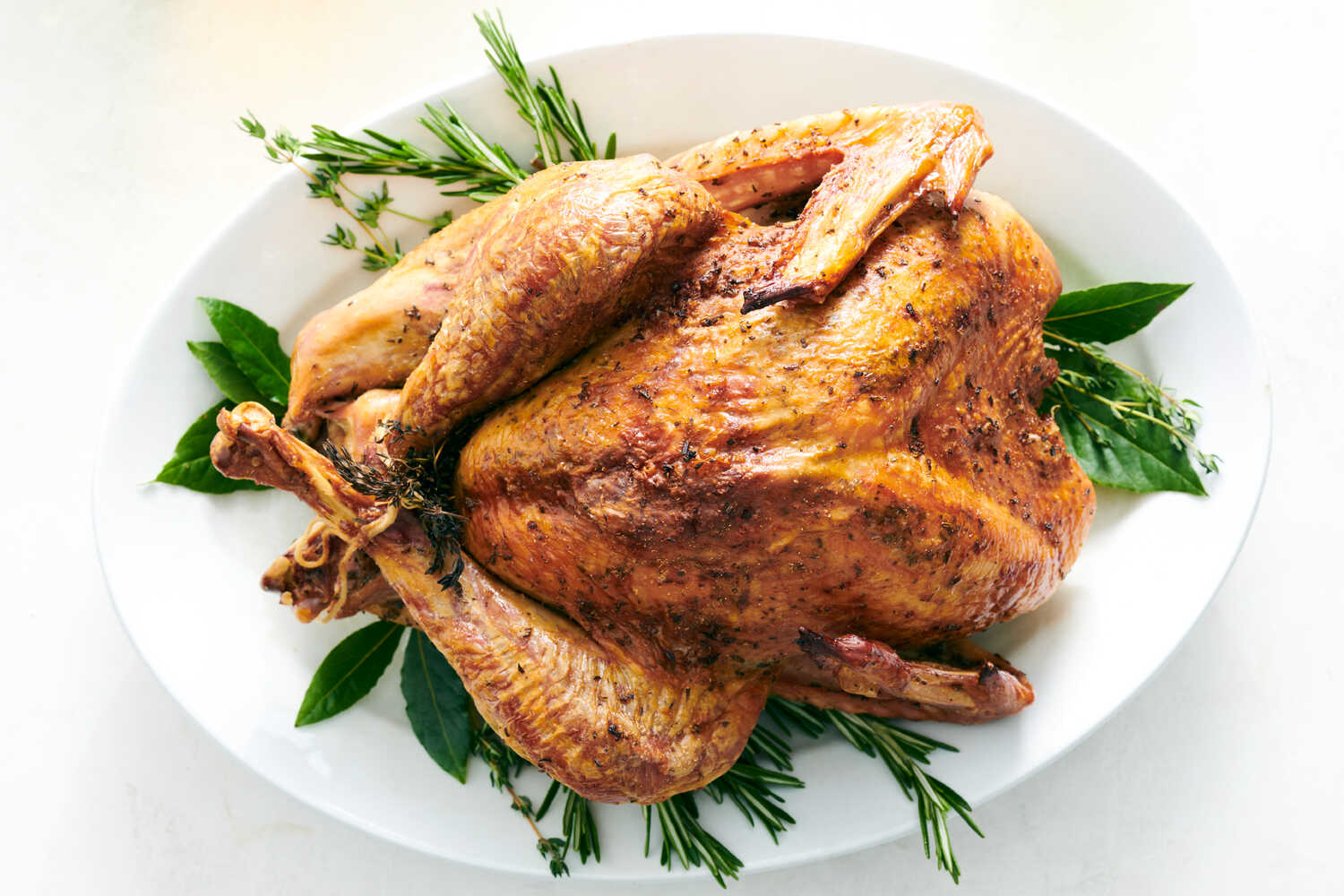
Master Your Thanksgiving Turkey: Brining, Spatchcocking & Easy Recipes for a Flawless Feast
The Thanksgiving turkey stands as the undeniable centerpiece of the holiday table, a majestic symbol of gratitude and gathering. Yet, for many home cooks, preparing this festive bird can feel like a daunting culinary challenge. Visions of dry meat, uneven cooking, or a less-than-golden skin often lead to pre-holiday jitters. But fear not, aspiring turkey masters! Cooking a show-stopping, succulent, and perfectly browned turkey is not only achievable but, with the right techniques and a touch of confidence, surprisingly straightforward. This comprehensive guide will demystify the process, exploring advanced methods like brining and spatchcocking alongside foolproof, easy recipes, ensuring your main course is a resounding success this holiday season.
The Thanksgiving Turkey: A Centerpiece Worth Mastering
From the moment it emerges from the oven, golden and fragrant, to the last delicious bite, the turkey is the star of any Thanksgiving dinner. It’s no wonder that getting it just right is a top priority. Many questions swirl around this culinary task:
What size bird do I need? How long does it take to thaw? How can I ensure it’s juicy and flavorful without constant basting? These are all valid concerns that can make even experienced cooks pause.
The good news is that the days of dry, bland turkey are long gone. Modern culinary wisdom, combined with timeless techniques, offers a multitude of approaches to guarantee a delicious outcome. Whether you prefer a classic, deeply traditional roast or are eager to experiment with innovative methods, there’s a
foolproof Thanksgiving turkey recipe waiting to elevate your feast. The key is understanding a few fundamental principles and choosing the method that best suits your comfort level and desired results.
Foundational Steps for a Flawless Thanksgiving Turkey
Before diving into specific cooking techniques, setting a solid foundation is crucial for any successful turkey endeavor.
- Choosing Your Bird: The general rule of thumb is to allow for about 1 to 1.5 pounds of turkey per person. If you love leftovers (and who doesn't?), aim for the higher end. Consider if you want a fresh or frozen turkey. Fresh birds require less planning for thawing, while frozen birds need considerable lead time.
- The Thawing Tango: If you opt for a frozen turkey, proper thawing is non-negotiable. The safest method is in the refrigerator, allowing approximately 24 hours of thawing time for every 4-5 pounds of turkey. A 15-pound bird, for instance, could take 3-4 days! Plan ahead to avoid a last-minute scramble.
- Pre-Roast Prep: Regardless of your chosen cooking method, always pat your turkey thoroughly dry, both inside and out, with paper towels before applying any rubs or seasoning. This simple step helps achieve that coveted crispy, golden-brown skin. Remove the giblets and neck from the cavity as well.
Elevating Your Bird: Brining, Spatchcocking & Smart Roasting
Now for the exciting part: infusing your turkey with incredible flavor and ensuring unparalleled juiciness. These techniques might sound intimidating, but they are surprisingly accessible and yield spectacular results.
The Magic of Brining for Ultimate Juiciness
Brining is a game-changer for moisture and flavor, addressing the common fear of a dry turkey. It involves soaking the turkey in a salt-water solution (wet brine) or rubbing it with a salt-based mixture (dry brine).
- Wet Brining: As championed by culinary experts like Alton Brown, a wet brine typically consists of water, salt, sugar, and various aromatics and spices such as peppercorns, allspice, and ginger. The turkey absorbs the seasoned liquid, leading to a more tender and incredibly juicy bird. The salt helps the meat retain moisture during cooking. While it requires a large vessel and refrigerator space (often overnight), the difference in succulence is undeniable.
- Dry Brining: A simpler alternative, dry brining involves liberally salting the turkey and letting it rest uncovered in the refrigerator for 1-3 days. The salt draws out moisture, then reabsorbs it, seasoning the meat from within while simultaneously drying out the skin for maximum crispiness. This method requires less fuss than a wet brine and often yields an even crispier skin.
Both methods guarantee a flavorful, moist turkey, making the extra step well worth the effort for a truly memorable Thanksgiving centerpiece.
Spatchcocking: Crispy Skin, Even Cook, Faster Results
Spatchcocking, also known as butterflying the turkey, might sound like a chef's secret, but it's a technique any home cook can master. It involves removing the turkey's backbone and flattening the bird, allowing it to cook more evenly and quickly.
- How it Works: By laying the turkey flat, the dark meat (thighs and drumsticks) and white meat (breast) are exposed to heat more uniformly. This prevents the breast from drying out while the legs finish cooking. More importantly, the entire skin surface is exposed to direct heat, resulting in an incredibly crispy, golden skin all over. Culinary personalities like Ree Drummond have embraced this method for its efficiency and delicious outcome.
- The Process: Using sturdy kitchen shears, cut along both sides of the backbone and remove it. Flip the turkey breast-side up, press down firmly on the breastbone until it flattens, and then place it on a wire rack set in a roasting pan. This method can significantly reduce cooking time, allowing you to get your delicious golden bird to the table faster.
Simple Roasting Methods for Every Cook
While brining and spatchcocking are fantastic for advanced results, you don’t need complex techniques to create a truly delicious thanksgiving turkey recipe. Simple, classic roasting methods can be just as impressive.
- The Classic Roast: Sometimes, the best holiday recipes are the ones that honor tradition. A classic roast involves rubbing the turkey with a generous amount of butter or olive oil, seasoning with salt, pepper, and plenty of seasonal herbs like rosemary, thyme, and sage. Filling the cavity with aromatics like halved onions, garlic, and lemon wedges adds depth of flavor to the drippings, perfect for gravy.
- Mayo-Roasted Turkey: Who needs butter when you have mayonnaise? A secret weapon for many, slathering your turkey with mayonnaise before roasting pulls double duty. It acts as a flavorful rub, adding moisture and fat directly to the meat, and helps brown the skin beautifully without the need for constant basting. This method yields a wonderfully moist interior and a stunningly golden exterior with minimal effort.
- Herb Butter Rub: For a simple, stress-free approach, an herb butter mixture is a winner. Softened butter mixed with finely chopped fresh herbs (sage, thyme, rosemary), garlic, salt, and pepper can be rubbed all over the turkey, and even under the skin of the breast. This infuses the meat with incredible flavor and helps keep it moist, ensuring a tender inside and a crispy outside, much like the foolproof methods praised by Downshiftology.
Beyond the Oven: Finishing Touches & Troubleshooting
Cooking the turkey doesn't end when you pull it from the oven. These final steps are critical for a perfect result:
- Knowing When It’s Done: The definitive answer comes from a meat thermometer. Insert it into the thickest part of the thigh, making sure not to touch the bone. The turkey is safely cooked when it reaches an internal temperature of 165°F (74°C). Don't rely solely on pop-up timers!
- The Rest is Best: Once your turkey reaches temperature, immediately remove it from the oven, tent it loosely with foil, and let it rest for at least 20-30 minutes (larger birds may need up to 45 minutes). This crucial step allows the juices to redistribute throughout the meat, ensuring every slice is incredibly tender and moist. Skipping the rest period is a common mistake that leads to dry turkey.
- Carving Like a Pro: While seemingly intimidating, carving a turkey is straightforward with a sharp knife. Start by removing the legs and thighs, then the wings, and finally slice the breast meat against the grain. There are many step-by-step guides available to help you achieve an impressive tableside display.
Cooking the Thanksgiving turkey can be a truly rewarding experience, transforming a large bird into a succulent, flavorful masterpiece. By embracing techniques like brining for ultimate juiciness, spatchcocking for even cooking and crispy skin, or opting for simple yet effective roasting methods like the herb butter rub or mayo roast, you can confidently create a holiday centerpiece that will impress everyone at your table. This year, ditch the fear and embrace the feast – your perfect thanksgiving turkey recipe awaits!